Pipes
Home
Pipes
Pipes
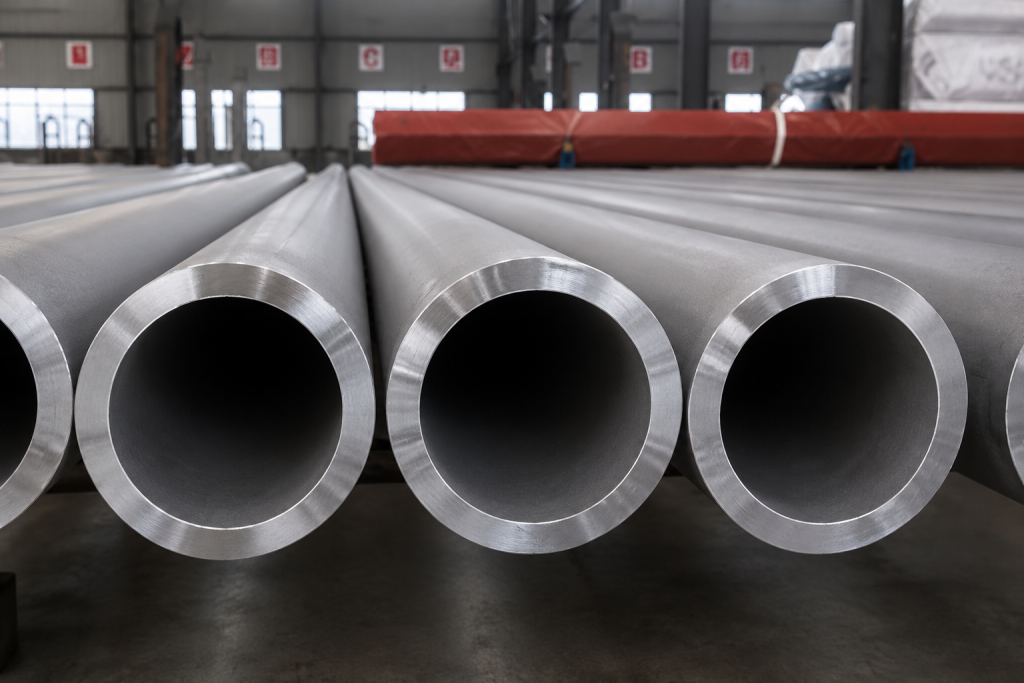
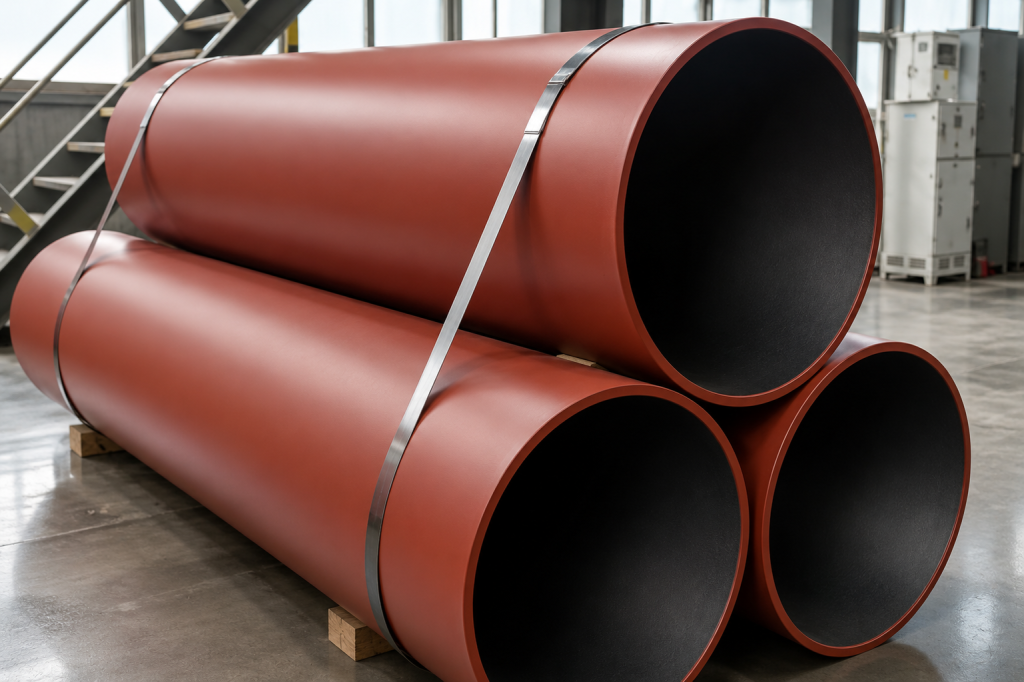
Marine pipes are critical shipboard systems used to transport fluids – like fuel, ballast water, steam, and exhaust. They require robust, corrosion-resistant materials and strictly enforced safety parameters.
Sourcing
Sourcing for these components relies on specialized suppliers and manufacturers. When procuring, buyers must ensure components match classification requirements for pressure, temperature, and fluid type. Sourcing is guided by IMO rules and IACS (International Association of Classification Societies) recommendations.
Standards
Standards are highly rigorous to guarantee the safety of life at sea and environmental protection. Materials used in marine piping systems – whether traditional carbon steel, copper-nickel, or modern polymers – must pass strict inspections by recognized classification societies like ABS or DNV. These groups certify pipe thickness, welding quality, and fire-retardant properties prior to installation. Compliance ensures pipes withstand the harsh maritime environment and extreme operating stresses.
Factory
Seamless Tube