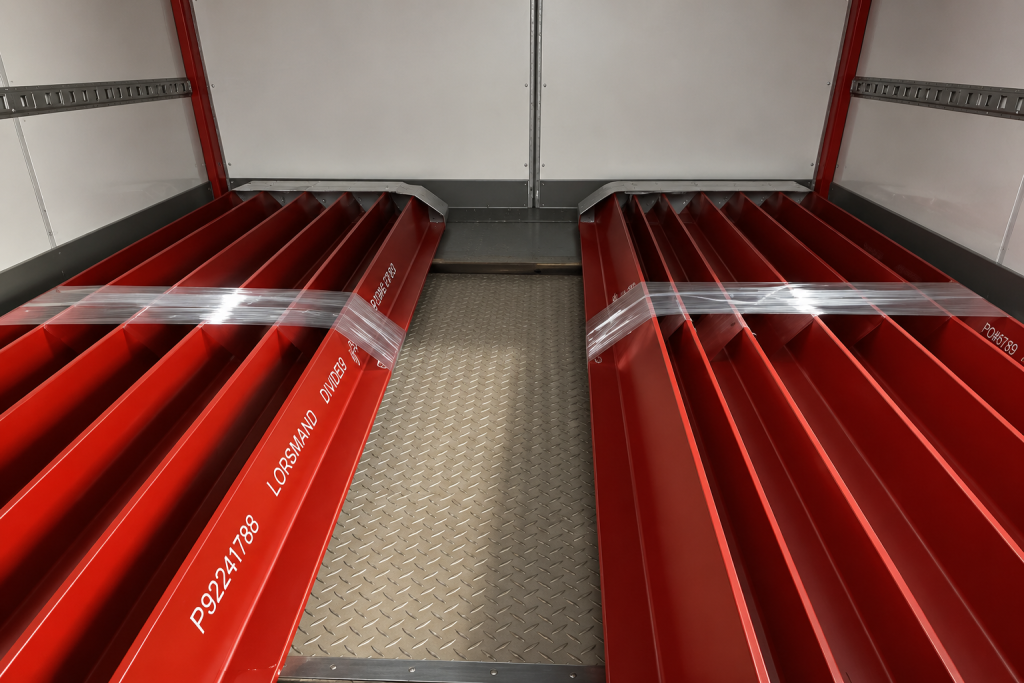
Profile
Home
Profile
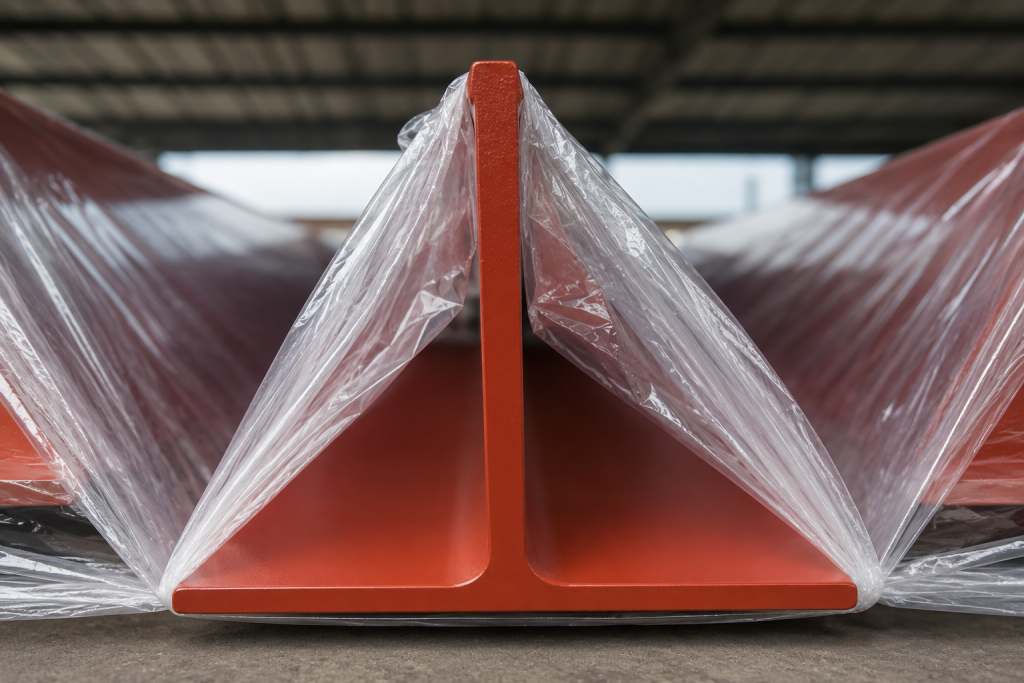
Profile
Manufacturing a marine-grade profile that meets class requirements (e.g., DNV, ABS, BV or Lloyd’s Register) requires strict adherence to international maritime standards, material traceability, and certified quality control.
Material Sourcing
Raw materials, typically high-tensile steel or marine-grade aluminum (such as 5083 or 6082 alloys), must be sourced exclusively from class-approved mills. The supplier must provide 3.1 or 3.2 material certificates under EN 10204 standards to guarantee chemical composition and mechanical properties.
Manufacturing & Standards
Production follows global standards like ASTM, ISO 9001, and specific class society rules for structural components. Heavy machinery extrudes or rolls the profile to precise geometric tolerances. Heat treatment protocols must be strictly monitored to prevent stress corrosion and ensure the material withstands harsh, corrosive offshore environments.
Testing & Certification
Before delivery, the profiles undergo rigorous Non-Destructive Testing (NDT), including ultrasonic and dye penetrant inspections, alongside destructive tensile and impact testing. A class society surveyor often witnesses these tests to verify compliance. Once approved, the profiles receive an official stamp and final class certification, ensuring legal and structural readiness for marine deployment.
BEBIT typically executes this in collaboration with partners.
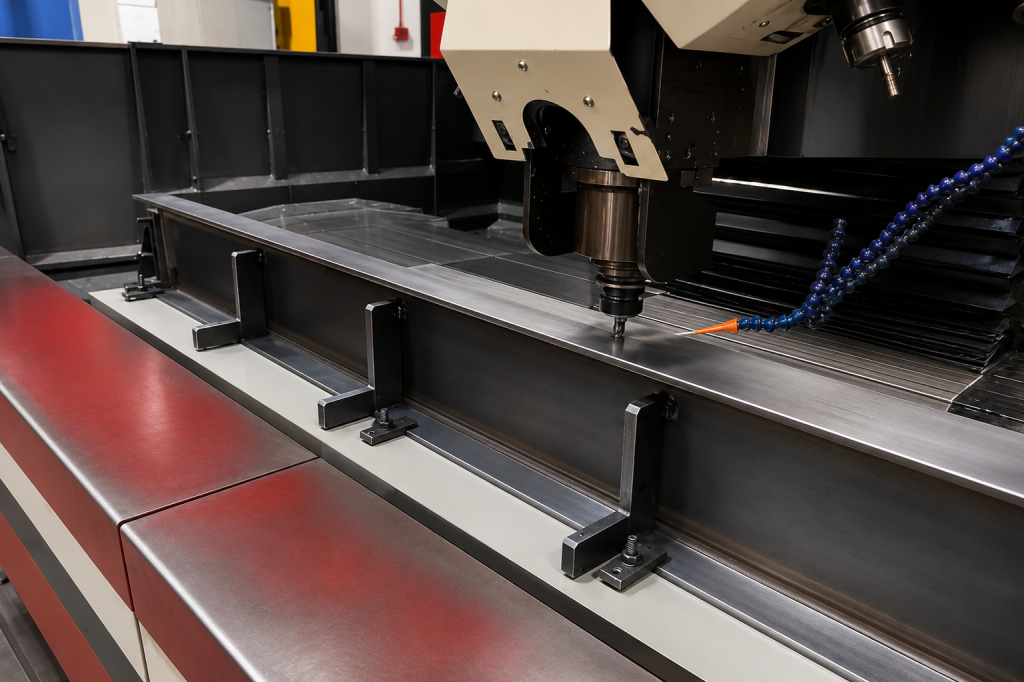
Machining Process
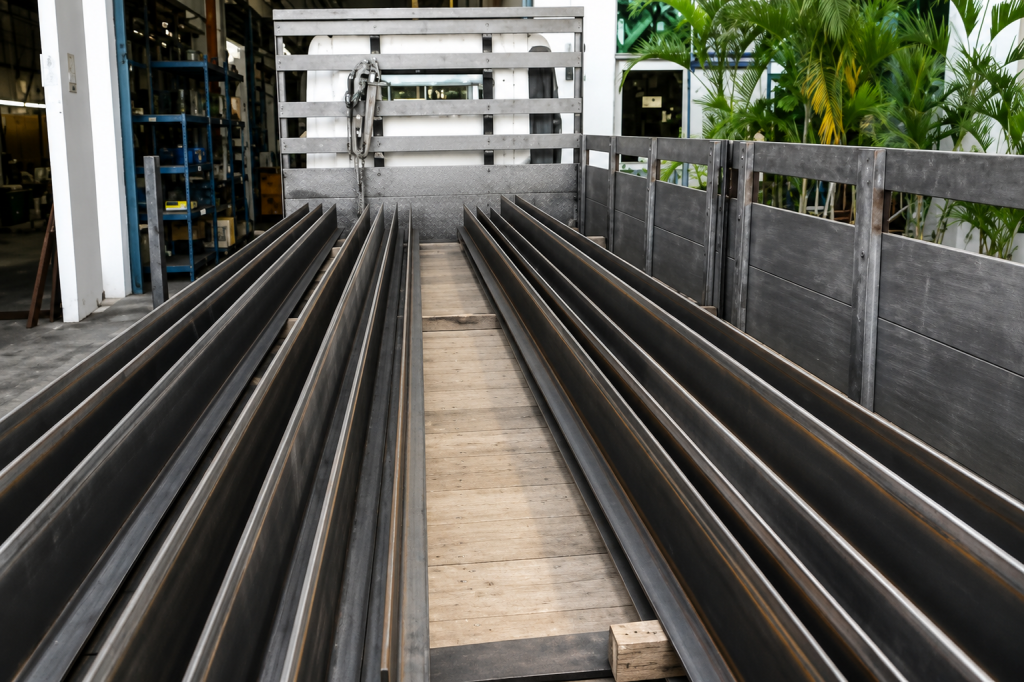
Different Sizes of Profile